The creation of a spinning wheel game is a fascinating journey that blends math, visual art, and human psychology into a single circular interface. While a spinning pointer seems like the simplest mechanical concept imaginable, modern developers spend countless hours perfecting how these wheels behave. By studying the artistic and mathematical choices behind these games, we can begin to appreciate the true depth of interactive digital design.
The Core Geometry of Engagement
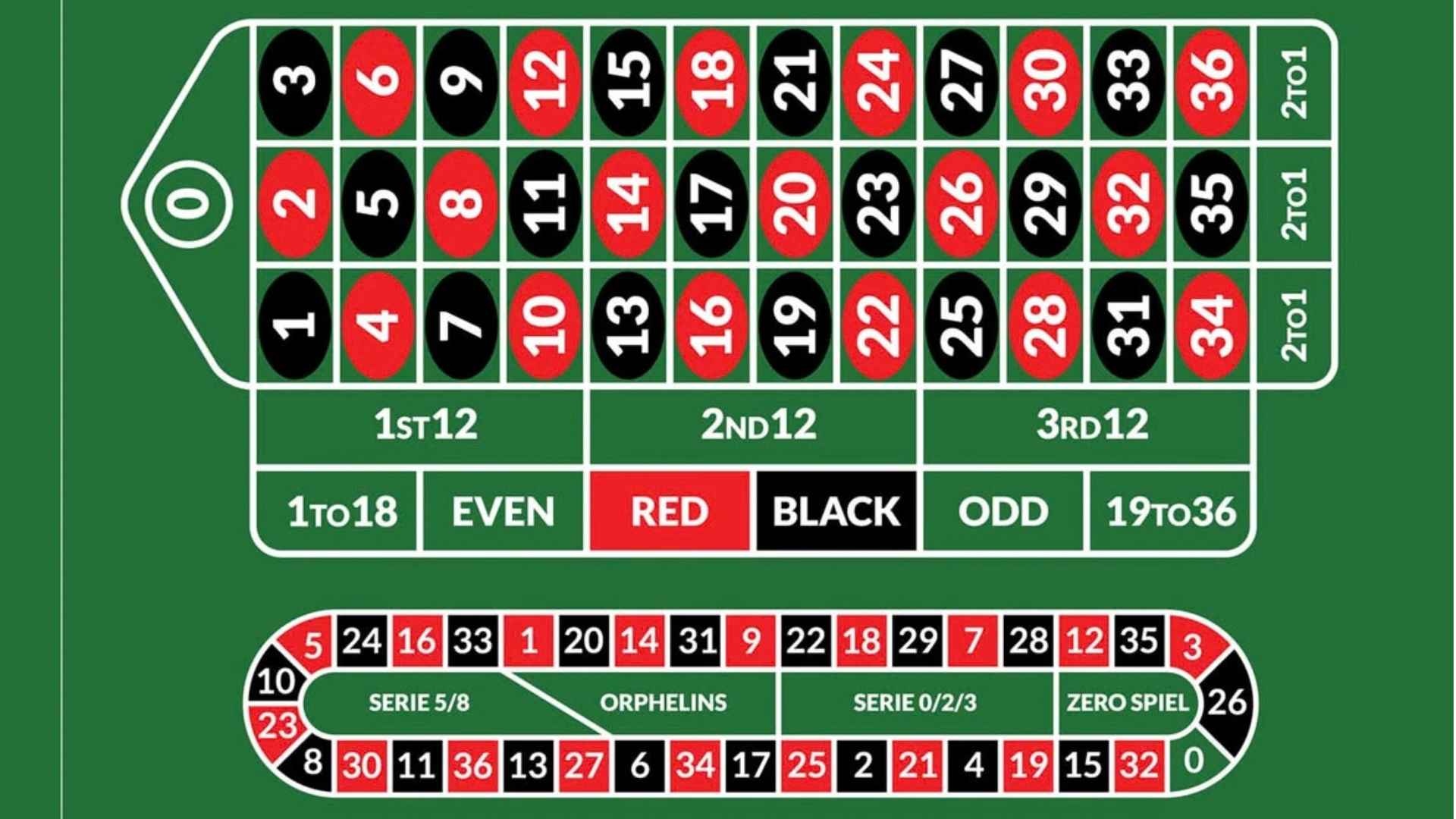
At the center of any great wheel game is the layout of its segments, which must visually balance risk and potential rewards. Designers use contrasting colors and varying segment widths to create an immediate, intuitive understanding of the game's stakes. This visual framework helps players instantly assess which outcomes are common and which ones are rare milestones.
For those interested in exploring how these design systems are implemented on highly professional platforms, visiting specialized portals like M88 asia offers great practical insight. Observing the presentation of digital interfaces reveals how modern developers organize their betting tables and wheel segments to maximize user clarity. A clean, uncluttered layout ensures that players remain focused entirely on the excitement of the physical spin.
The Mechanics of Anticipation and Deceleration
The secret to keeping players on the edge of their seats lies entirely in the physics of how the wheel slows down. Game developers write complex algorithms to simulate real-world drag, tension, and friction so that the final moments of a rotation feel entirely organic. If a wheel stops too quickly, the magic is lost, but a slow, calculated tick-tick-tick builds a powerful psychological crescendo.
This tension is often heightened by adding subtle audio cues, such as the rhythmic clicking of a physical peg passing over the dividers. These sensory details work in tandem to create a memorable narrative for every single round of play. Consequently, even a losing spin can feel incredibly satisfying if the wheel teasingly stops just a millimeter away from a major prize.
Aesthetics and Theme Integration
Modern technology has freed designers from the limitations of simple wooden wheels, opening up a world of endless digital customization. Today, wheel games are built around immersive themes ranging from ancient mythology and deep-space exploration to futuristic neon game shows. These creative backdrops help elevate a simple game of chance into a deeply engaging narrative adventure.
By combining high-definition graphics, thematic soundtracks, and interactive elements, studios can appeal to a much broader demographic of players. The ultimate goal of this design process is to transform a traditional carnival mechanic into a polished, modern masterpiece of digital entertainment. Through careful planning and artistic vision, the simple wheel remains one of the most powerful structures in the gaming world.