Navigating an online poker platform efficiently is a major factor in a player's long-term comfort and strategic success. When multi-tabling or making split-second decisions, a cluttered layout can lead to costly mistakes. Understanding how interface architecture guides the user eye reveals why certain platforms feel significantly smoother than others.
The Importance of Visual Hierarchy and Lobby Design
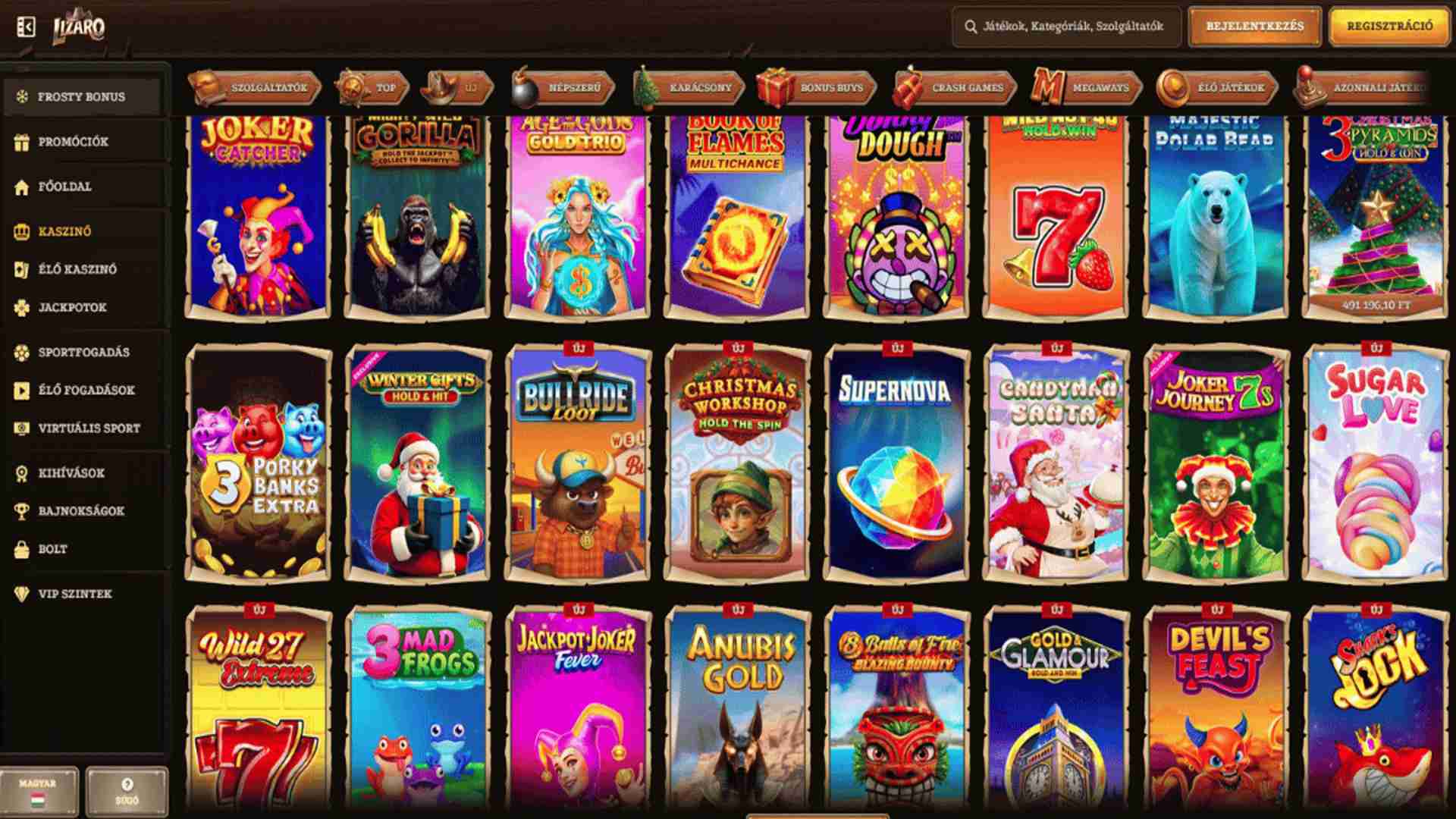
A well-organized main lobby relies on a distinct visual hierarchy to separate game types, stakes, and formats seamlessly. When options are sized and weighted carefully, players can find their preferred tables without unnecessary clicking or scrolling. Clear categorization prevents visual fatigue, ensuring a calm transition from the login phase straight into active gameplay.
Furthermore, intuitive filtering tools let users isolate active tournaments or specific cash game limits instantly. High-quality interfaces minimize extraneous motion, helping enthusiasts protect their focus for the actual card games. This structural clarity reduces overall friction, making the digital arena accessible for both beginners and seasoned card players.
Smooth Table Management and Multi Table Features
Once inside a session, table tiling and cascading features play a massive role in maintaining a balanced environment. Responsive software allows players to switch focus between active game windows automatically when action is required. This seamless movement prevents sudden lag and distraction during critical bluffing or calling sequences.
Many modern platforms implement clean, flat graphics that translate beautifully across desktop screens and smaller mobile devices. For players exploring platforms that combine accessible user management with functional design elements, finding a secure m88 casino login register system can serve as an entry point to a streamlined gaming lobby. Consistent button sizing across these layouts ensures accurate clicks when managing multiple positions simultaneously.
Customization Settings for Enhanced Concentration
Advanced interface customization empowers individuals to tailor their table surroundings to match precise strategic routines. Features like customizable felt colors, simple card designs, and designated hotkeys lower mental stress during long hours of continuous play. Removing complex 3D animations often improves hardware responsiveness and keeps processing power fully optimized.
Additionally, flexible placement of information, such as automated hand history windows and chat boxes, allows for cleaner workspaces. Designing a distraction-free background ensures that every operational tool stays exactly where it belongs. This predictable environment helps regular players build solid muscle memory over time.
Long Term Usability and Developer Optimization
Behind every stable poker client is a continuous cycle of software development aimed at improving core architecture. Regular performance patches refine menu navigation, safeguard encryption standards, and prevent sudden connection drops. Selecting software backed by dedicated technical support guarantees a reliable ecosystem for future sessions.
Ultimately, a mindful interface design prioritizes intuitive ergonomics over superficial visual flare. When a platform manages busy sessions gracefully, it proves that thoughtful user-centered engineering is essential for high-level play. Balancing responsive controls with clean layouts remains the definitive standard for modern poker software solutions.