Modern video game design relies heavily on keeping players engaged through unexpected milestones and exciting mechanics. When developers incorporate surprise bonuses and non-linear advancement paths into the core gameplay loop, they create a sense of wonder that traditional progression models often lack. This integration transforms basic digital tasks into thrilling journeys of discovery.
The Psychology of Unpredictable Milestones
Human behavior is naturally drawn to uncertainty, which makes variable reinforcement schedules incredibly powerful tools for game designers. When a player cannot predict exactly when their next breakthrough will happen, their level of focus and excitement increases dramatically. This anticipation encourages longer play sessions and deeper emotional investment in the virtual environment.
Traditional linear leveling systems can sometimes feel tedious, leading to early player burnout. By contrast, mixing random rewards with structural surprises keeps the experience feeling fresh and dynamic. Every milestone achieved opens up hidden pathways, making the journey feel deeply personalized and rewarding.
Balancing Skill and Algorithmic Chance
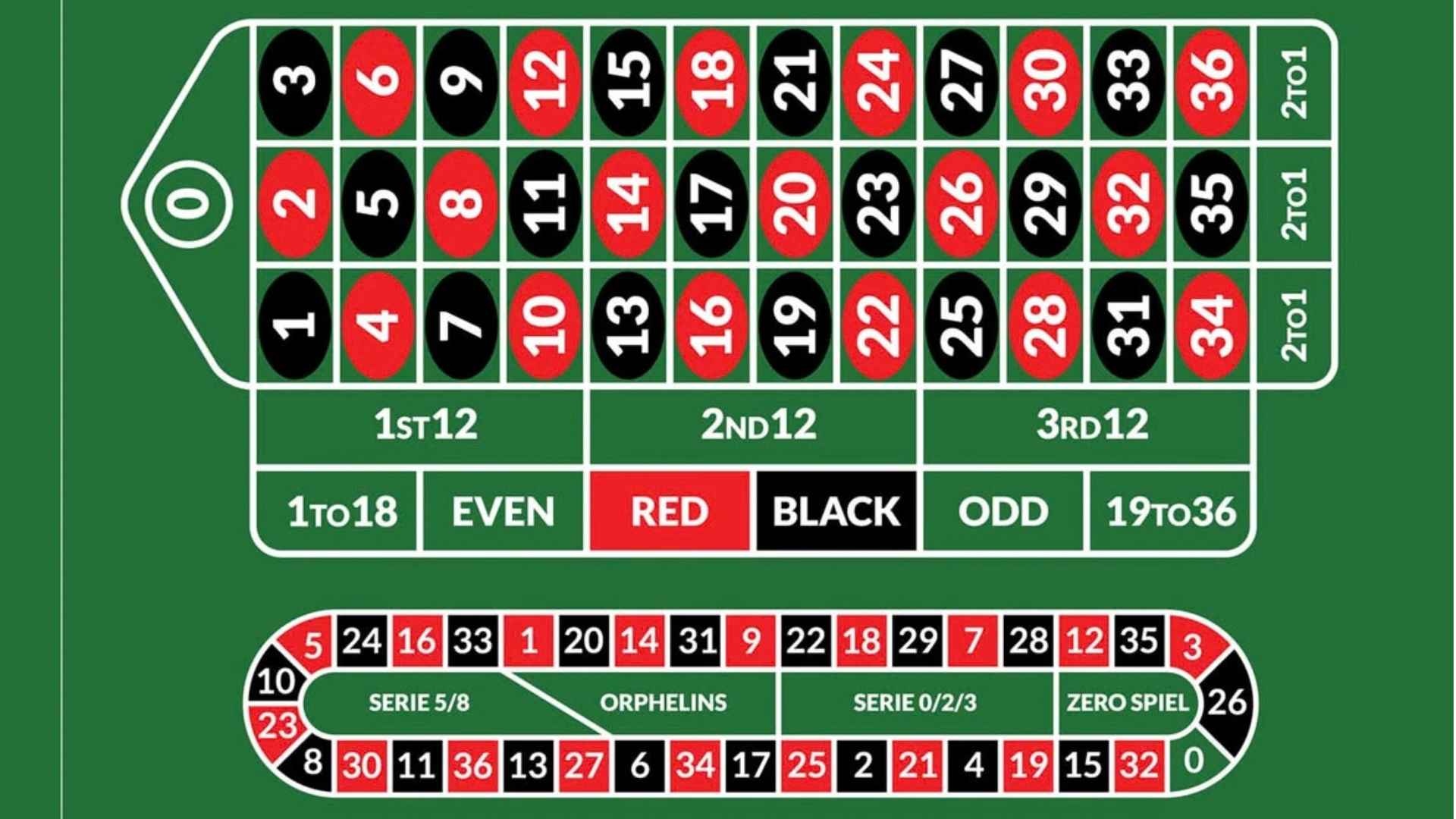
Creating a balanced system requires a delicate equilibrium between deterministic milestones and unexpected drops. If an active system relies too heavily on pure luck, dedicated participants might feel that their actual skill is undervalued. Developers must ensure that surprise elements enhance character growth rather than acting as frustrating roadblocks.
A transparent approach to random systems helps maintain a high level of community trust. Many modern games successfully implement baseline guarantees alongside their random distributions to keep outcomes feeling fair. Enthusiasts looking for competitive variations can explore specialized options like M88 esports to see how chance mechanics operate in structured, professional tournament settings.
Fostering Exploration in Open Environments
Surprise progression elements serve as a primary catalyst for driving virtual exploration across massive landscapes. When rare treasures or secret story branches are scattered unpredictably, players are naturally driven to explore every corner. This design philosophy rewards curiosity rather than simple repetitive actions.
These mechanisms also breathe new life into live-service games through time-limited seasonal events. Introducing temporary reward pools ensures that even veteran players find reasons to return regularly. The combination of discovery and unexpected bonuses ensures that virtual worlds remain highly active for years.
The Future of Adaptive Game Design
As machine learning and data analytics continue to mature, the structure of in-game rewards will become even more adaptive. Future systems may analyze individual playstyles to deliver highly tailored progression surprises in real time. This evolution ensures that both casual users and hardcore completionists receive meaningful engagement.
Ultimately, the fusion of chance-based incentives and hidden progression pathways shapes how digital loyalty is built. When implemented thoughtfully and ethically, these design principles create memorable experiences that transcend standard gaming loops. The balance between the known and the unknown will continue to define interactive media for generations to come.